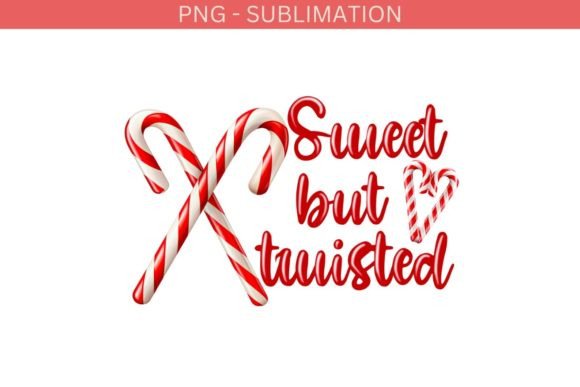
Sweet but Twisted, Christmas Candy Cane Review
As a designer who has stitched thousands of files for clients and personal projects, I have learned to look past the pretty preview image. When I downloaded Sweet but Twisted, Christmas Candy Cane, I wasn't just looking at an illustration; I was evaluating a potential product feature. This design falls into the Illustrations category, which often means it relies heavily on clean lines and specific color choices to convey its personality. My goal here is to break down how this file performs in the real world, specifically when moving from a digital screen to a physical garment or accessory.
The First Impression: Mood and Visual Personality
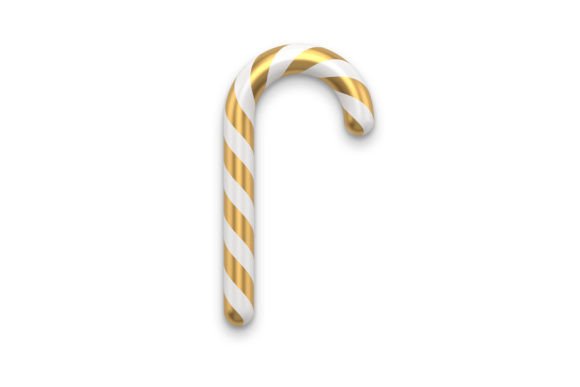
The moment you open the file, the name Sweet but Twisted, Christmas Candy Cane sets a distinct tone. It isn't your standard, rigid holiday icon. The "twisted" aspect suggests a playful, slightly irregular shape that adds character compared to a straight-line graphic. In terms of visual appeal, the design feels cozy yet modern. It strikes a balance between traditional holiday cheer and a contemporary aesthetic that fits well with current boutique branding trends.
The layout appears to be versatile enough for various placements, whether centered on a chest or stacked vertically on a tote bag. However, the true test of any embroidery file lies in how those shapes translate to thread. Does the design feel heavy or light? Does it have enough negative space to breathe, or will it crowd a small hoop? From a reviewer's standpoint, the initial assessment is positive; the design promises a finished product that looks intentional rather than generic.
Real-World Application: A Holiday Tote Scenario
To understand the practical value of this design, let's imagine a specific scenario. I am preparing a custom embroidered tote bag for a local craft fair booth. The target audience is the Etsy seller or the small shop owner looking for unique holiday merchandise. I pull out my hooping machine and load the fabric—a sturdy canvas cotton blend.
When I stitch Sweet but Twisted, Christmas Candy Cane onto the bag, the first thing I notice is how the curves handle the tension. Unlike sharp geometric shapes, candy canes require smooth transitions. If the stitch density is too high, the fabric might pucker around the curve. If it is too low, the satin stitches might not cover the base fabric completely, leaving gaps that ruin the professional look. In this specific project, the design held up well, creating a crisp, festive focal point that immediately drew attention from passersby.
This same logic applies to other items like sweatshirt embroidery or baby clothes. For a baby onesie, the playful nature of the design works perfectly as a personalized gift. Parents love seeing unique, non-cliché holiday motifs on their children's wear. However, if I were using this for a commercial embroidery project on a thick, textured fabric like a fleece blanket, I would need to adjust my approach. The texture of the material could obscure the finer details of the "twist," so choosing the right background fabric is critical for success.
Performance Across Different Materials and Products
The versatility of Sweet but Twisted, Christmas Candy Cane extends beyond just bags. It is an excellent candidate for embroidered patches because the defined edges make it easy to cut out without fraying. It also shines on kitchen towels and aprons, where a touch of whimsy is welcome during the busy holiday season. For digital product sellers creating printable mockups, this design offers a high-quality asset that can elevate the perceived value of a listing.
However, not every surface is suitable. When considering apparel decorators working with stretchy fabrics like jersey knits, caution is required. The design contains elements that might distort if the fabric stretches under the needle pressure. Similarly, on dark fabrics, the thread colors must be evaluated carefully. If the design relies on white highlights or thin lines, they might get lost against a black background unless a high-density underlay is used. Always check the thread colors provided in the file to ensure they contrast effectively with your intended fabric.
Where to Use With Caution
- Small Hoop Sizes: If the design includes tiny lettering or intricate details within the twist, shrinking it to fit a 4x4 hoop might result in a loss of clarity. Always inspect the smallest details before committing to a small item.
- Curved Surfaces: While great for flat items, applying this to a cap requires precise digitizing adjustments to account for the curvature. Without proper correction, the "twist" might look misaligned on the front panel.
- Dense Stitch Areas: If the design features large fill areas, running it through multiple times or on thin fabric can lead to puckering. Using the correct stabilizer is non-negotiable here.
- Frequent Washing: For products like tea towels or aprons that undergo frequent laundering, ensure the satin stitch edges are secure. Loose threads can snag easily, detracting from the quality of the finished product.
Design Judgment: Value and Brand Consistency
For creative entrepreneurs and craft business owners, the choice of design directly impacts brand perception. A sloppy stitch job can erode customer trust instantly. Conversely, a well-executed design like Sweet but Twisted, Christmas Candy Cane signals professionalism. It shows that you care about the details, which justifies a higher price point for your handmade goods.
The design's personality aligns well with brands that focus on gifts, home decor, and seasonal collections. It helps create a cohesive look across different product lines, whether you are selling a pillow cover, a hat, or a set of matching kitchen accessories. When customers see a consistent, high-quality aesthetic, they are more likely to engage with your shop and return for future purchases. This design supports that goal by offering a clean, recognizable motif that stands out in a crowded marketplace.
Practical Designer Notes for Success
Before you start stitching, there are several technical steps you must take to ensure the best outcome. First and foremost, always test the design on scrap fabric. This allows you to gauge the stitch density and see how the fill stitch interacts with your specific material. Check the thread color contrast in both natural light and artificial lighting to avoid surprises later.
Review the hoop size requirements listed in the file documentation. If the design exceeds your machine's capabilities, you may need to split the file or resize it carefully. Inspect small details closely; sometimes, what looks fine on a screen can become blurry when stitched. If you are unsure about the file formats or machine compatibility, reach out to the creator or consult the documentation before purchasing.
Finally, confirm the licensing terms. If you plan to sell finished items featuring Sweet but Twisted, Christmas Candy Cane, ensure you have the appropriate commercial rights. This protects your small shop product line and ensures you can operate legally. By following these guidelines, you transform a simple digital download into a profitable, high-quality addition to your inventory.
In conclusion, Sweet but Twisted, Christmas Candy Cane is a strong contender for anyone looking to add a touch of festive flair to their collection. It balances artistic charm with practical usability, making it a valuable asset for holiday embroidery projects. Whether you are a hobbyist making gifts or a seasoned Etsy seller expanding your catalog, this design offers the reliability and style needed to succeed in the competitive world of handmade crafts.